
No items found.
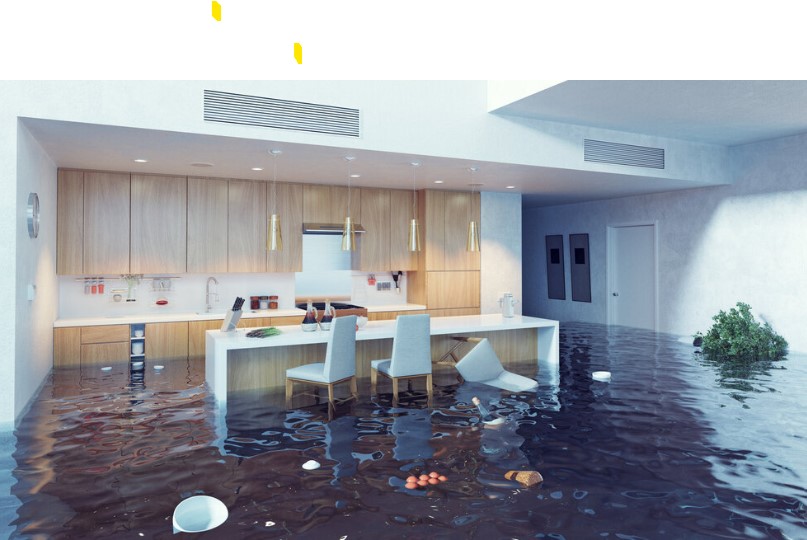
Water in Your Basement? Do you have coverage? The Source Matters
Few things can ruin your day faster than walking downstairs and finding water (or worse) in your basement. In our November 15, 2025 blog post, we went in depth regarding flood, which is not covered by homeowner insurance. But what if you are not sure of the source? The source matters in determining coverage.
As your agent, regardless of coverage, we would first encourage you to contact a mitigation company and get on their list, and possibly contact a plumber. From that point, it’s important to understand how the water got there. Not all basement water losses are the same, and the source can make a big difference when it comes to prevention and insurance coverage.
Sewer Backup: When Water or Sewage Comes Up Instead ofStaying Down
One of the most unpleasant causes of basement water damageis a sewer backup. This happens when water or sewage flows back into your homethrough drains, toilets, or sump systems.
Heavy rain, overwhelmed municipal sewer systems, or a sumppump failure whether it just can’t keep up or loss of electricity, can allcontribute to a backup.
If you've ever seen water coming up through a floor drain, you're likely dealing with a sewer backup issue. It can cause in a short amount of time. Having water/sewer backup added to your policy can provide peace of mind that although messy and stressful, you will know that there is assistance up to the limit of your policy (subject to deductible).
Seepage: The Slow and Silent Problem
Sometimes water doesn't rush into your basement. Instead, it sneaks in.
Seepage occurs when ground water finds its way through cracks in your foundation or basement walls. Poor drainage, clogged weeping tile systems, or grading issues around the home can all contribute.
You might notice damp spots, water stains, peeling paint, orthat musty basement smell before you ever see standing water.
Because seepage often develops over time, it's a good reminder that regular home maintenance can be just as important as having the right insurance coverage, as in most cases, seepage may not be a covered peril of your homeowner policy.
Flooding: Water From the Outside In
Flooding is exactly what most people picture when they think of water damage. After heavy rainfall, rapid snowmelt, or overflowing streams, water can enter your home from outside and overwhelm your property.
In recent years, we've seen more frequent and severe weather events, making flood protection an increasingly important conversation for homeowners.
Unlike a sewer backup or seepage issue, flooding typically involves surface water entering the home from outside the building. is a separate policy that is written with either the National FloodInsurance Program or a Write your own “WYO” carrier. Flood is likely not able to be added to your homeowner policy.
So, Are You Covered?
One of the biggest misconceptions homeowners have is that all water damage is covered the same way under their insurance policy. In reality, coverage can vary depending on whether the source is a sewer backup, seepage, or flooding.
That's why it's important to understand your policy before an incident happens, not after.
The Bottom Line
If water shows up in your basement, don't just ask,"How do I clean this up?" Ask, "Where did it come from?"
Knowing the difference between sewer backup, seepage, can help you protect your home, reduce future risks, and ensure you have the right coverage in place when you need it most.
Not sure what protection your home insurance includes? Reach out to our team. We're happy to help you understand your coverage before the next storm rolls in.